The Seam Ripper Is Your Friend
No sewist wants to talk about it—but every sewist does it………
Once a novelty, PDF sewing patterns are now a staple in the sewing community. Immediate download, endless reprints, and access to indie designers worldwide make them a tempting choice for both beginners and seasoned sewists. But for many, the real work begins long before fabric meets needle—during the often frustrating ritual of printing, trimming, aligning, and taping those seemingly endless pages.
If you’ve ever been knee-deep in A4 sheets, misaligned notches, and disappearing seam allowances, you’re not alone. But with a few simple hacks and a strategic approach, you can master the process and get to the fun part faster.
The first hurdle for many sewists is printing. Unlike store-bought tissue patterns, PDF patterns require home printing—typically on A4 or US Letter paper. It sounds simple enough until your first project turns into a misprinted mess.
✔ Always open files in Adobe Acrobat Reader. Browser previews can scale or crop pages, leading to misalignment.
✔ Set your printer to “Actual Size” or “100%.” Never use “Fit to Page” or “Shrink Oversized Pages.”
✔ Print the test square first. Most patterns include a 1″ or 4 cm square to verify scale. Measure with a ruler. If it’s even a millimeter off, your entire pattern may be unusable. Laser printers tend to give sharper, cleaner lines, but any well-maintained inkjet will do the job if your settings are correct.
Once printed, the next challenge begins: piecing together a puzzle of 20, 40, or even 60 pages. Trimming margins, aligning lines, and taping carefully sounds meditative—until your table is covered in slightly misaligned pages and your patience starts to fray.
✔ Inconsistent trimming
✔ Printer misfeeds causing uneven margins
✔ Tape warping the paper
✔ Pages slipping just as you align that perfect notch Fortunately, there are techniques and tools to minimize the madness.
Fortunately, there are techniques and tools to minimize the madness.
1. Skip the Scissors – Use a Rotary Cutter or Paper Trimmer
Manually trimming every edge with scissors is slow and imprecise. A rotary cutter on a self-healing mat, or a paper trimmer, will give you cleaner edges and speed things up dramatically. Most patterns only require trimming the right and bottom margins—check your pattern’s instructions.
2. Use a Light Source for Perfect Alignment
Aligning pattern lines is much easier when you can see through the paper. Use a window during daylight hours or invest in a low-cost LED light pad. It transforms pattern alignment into a quick, confident process.
3. Apply Tape Strategically
Instead of covering every edge with tape, secure key points first—corners, pattern lines, and center areas. A glue stick can also reduce bulk at seams, especially if you’re folding the pattern for storage afterward.
4. Work in Sections
Don’t attempt to tape 60 pages in one go. Assemble in manageable sections: bodice pages, skirt panels, sleeves. Then join those sections. This method reduces fatigue and error.
5. Use a Pattern Weight or Binder Clips
If pages shift while you tape, try holding them in place with fabric weights or binder clips. This small adjustment can make a big difference in alignment.
6. Store Wisely
Once assembled, roll large pattern pieces and secure them with rubber bands or store in labeled envelopes or zip pouches. If space is tight, consider tracing onto pattern paper and discarding the full taped version after cutting.
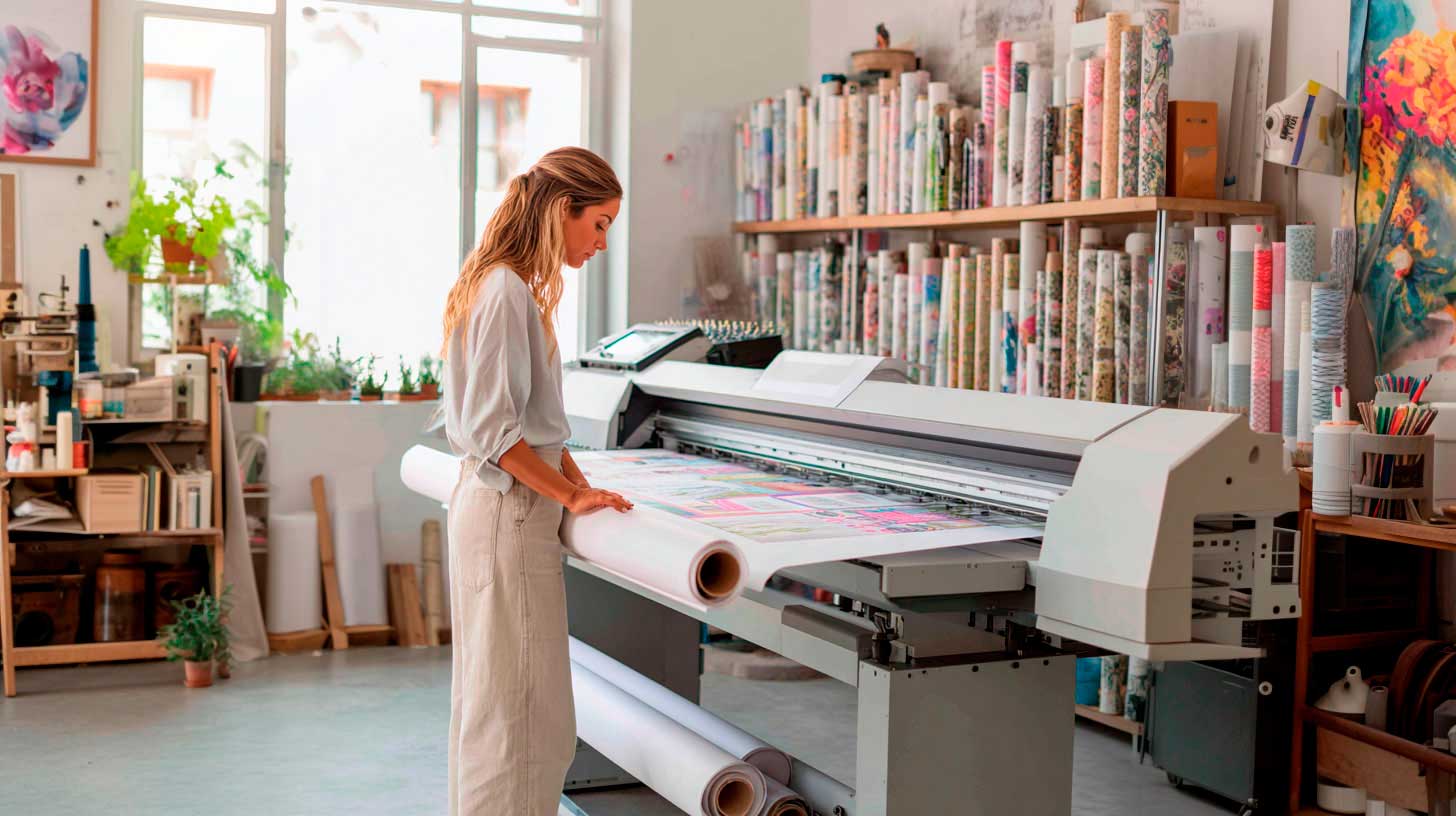
If taping isn’t your thing, many pattern designers now offer A0 files formatted for large-scale printing. These can be sent to a copy shop or ordered online through services that cater specifically to sewists. It’s more expensive, but for large or repeat-use patterns, it’s worth the time saved.
Look for designers who optimize their patterns for minimal pages and clear assembly—well-labeled rows and columns, overlap guides, and pattern layers (so you only print your size) all make a big difference.
PDF patterns are here to stay, and for good reason: they offer flexibility, accessibility, and direct support for indie designers. But they also come with a learning curve that can test anyone’s patience. With the right tools, clear strategy, and a few clever hacks, you can transform the assembly process from a dreaded task to a smooth start on your next sewing project. So the next time you download a pattern, don’t dread the paper storm—tackle it with confidence, and get ready to sew.

No sewist wants to talk about it—but every sewist does it………

You’ve carefully cut the fabric. You’ve followed every step of the pattern instructions. ……